
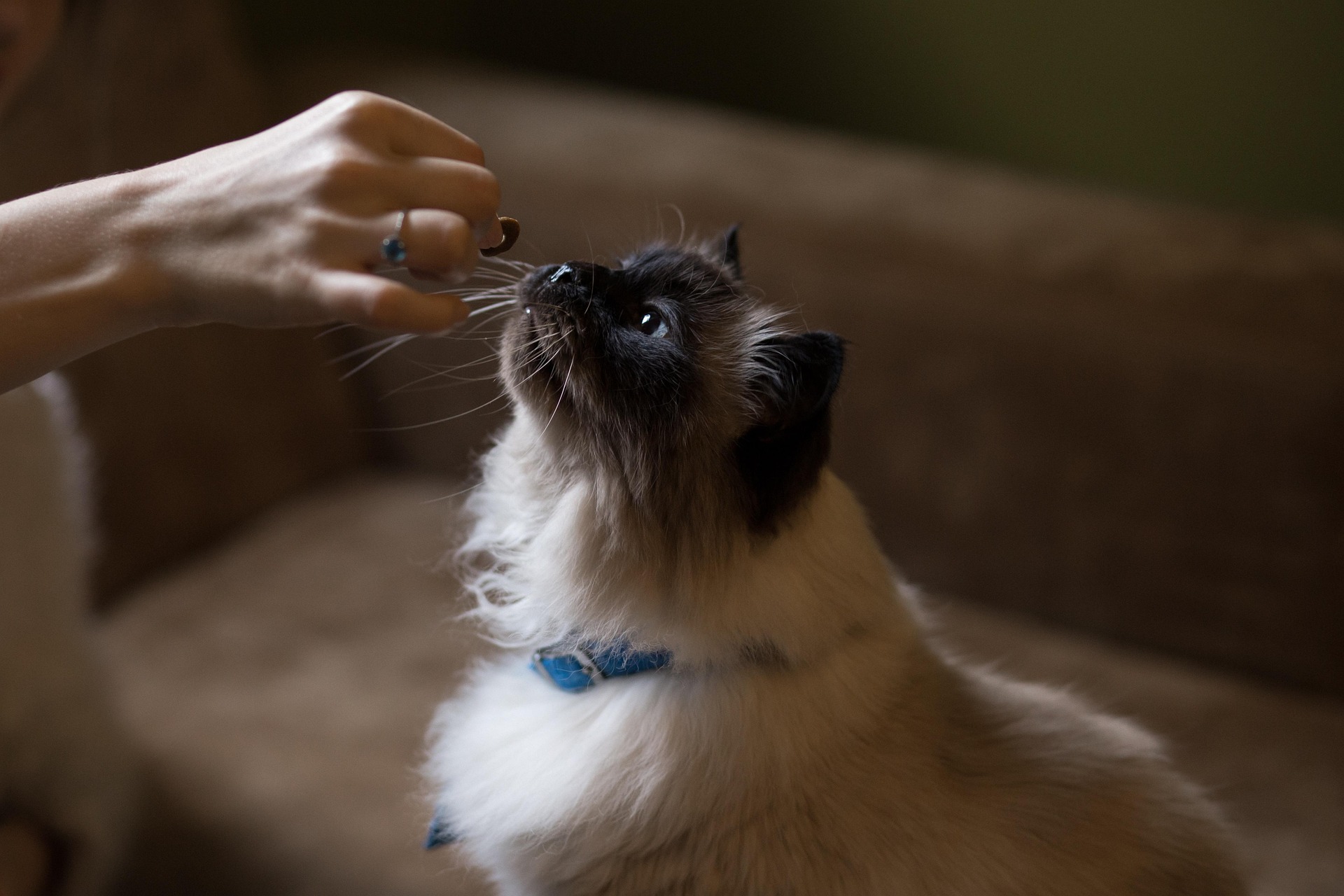
One major change within the pet food industry has been the increasing “humanization” of pets. Dogs and cats are treated as members of the family rather than simply animals. As owners place a higher priority on the pet’s health, happiness, and lifestyle, they have not only become more aware of the ingredients in their pet’s foods, but they have also exhibited a higher willingness to invest in products they perceive to be healthier or of a higher quality.
This has opened a wider door for new trends and innovation opportunities.
Premium Products and “human-grade” positioning
Pet owners have grown in their willingness to invest more in their pets and therefore to invest more in products they perceive to be healthier or of higher quality. Driven by the desire to improve their animals’ health and well-being, they are moved by concepts familiar with human food such as natural, organic, minimally processed, etc., blurring the line between human food trends and pet food trends.
Owners also have an eye out for products that resemble the ingredients and nutritional characteristics they recognize in human food.
The European Pet Food Industry Federation’s 2026 Annual Report confirms a healthy growth of pet ownership with approximately 140 million European households (49%) owning one or more of Europe’s 306 million pets. Annual sales of pet food products now stand at 29.4 billion euros, and the volume is around 8.6 million tons.
Openness to Alternatives fueling new Innovations
As awareness of traditional ingredients grows, consumers are also showing a greater willingness to explore new ingredients, formulations, and feeding approaches beyond traditional pet food, particularly when these alternatives offer clear benefits for their pets or the environment.
Some key opportunities in the market include:
- Alternative Proteins: One of the biggest areas of innovation is replacing or supplementing conventional chicken, beef and fish with alternative sources. Insect protein (especially black soldier fly larvae and mealworms), single cell protein, mycoprotein/fungal protein, algae / microalgae, precision-fermented proteins, and cultivated meat are all gaining traction as possibilities to substitute or supplement traditional protein sources.
- Functional Foods: Pet food is increasingly being developed as a combination of food with a supplement such as probiotics/prebiotics for gut health, omega-3/DHA for brain and skin health, antioxidants for healthy aging, or collagen for joints/skin
- Personalized Foods: Owners are looking for more personalized nutrition solutions for their pets such formulas specifically mixed for breed, age/life-stage, weight-management, allergy/sensitivity diets, gut-health, skin & coat health, etc.
Our consultants have also observed a brighter spotlight on the topic of pet food in recent years—driven, for example, by pet food innovation hubs and the latest product launches. We are keen to anticipate how rapidly this trend will evolve, which new concepts are likely to gain traction, and how emerging developments could challenge established approaches.
Are you interested in knowing more about how these innovations are developing and how open the market is to receive them? Please do not hesitate to contact us:
Elsa Häberle
Phone number +49 6201 9915 12
Elsa.Haeberle@SchlegelundPartner.de
© Schlegel und Partner 2026