More than 100,000 trade visitors and over 2,600 exhibitors demonstrate one thing: the transformation of the energy system is well underway. Our visit to The smarter E Europe 2026 in Munich highlighted the trends currently shaping the energy industry and the topics gaining importance for companies across the entire value chain.
Growing Against the Industry Trend
“Packed exhibition halls, a dynamic atmosphere, and vibrant energy” – this is how the organizer described the event in its official press release. And that assessment proved to be accurate.
While many industrial trade shows across Europe are experiencing declining exhibitor and visitor numbers, The smarter E Europe in Munich has continued to grow. Since its launch as an exhibition alliance in 2018, it has evolved from a combination of four specialized trade fairs – Intersolar, ees, Power2Drive, and EM-Power Europe – into one of the world’s leading platforms for the energy industry.
Integration Instead of Standalone Technologies
This year’s event once again reinforced that development. The strong international presence of exhibitors and visitors was just as noticeable as the industry’s optimistic outlook.
Rather than focusing on individual products, the exhibition emphasized the intelligent integration of all components within a renewable energy system.
Key highlights included:
- a large start-up area showcasing innovative business models,
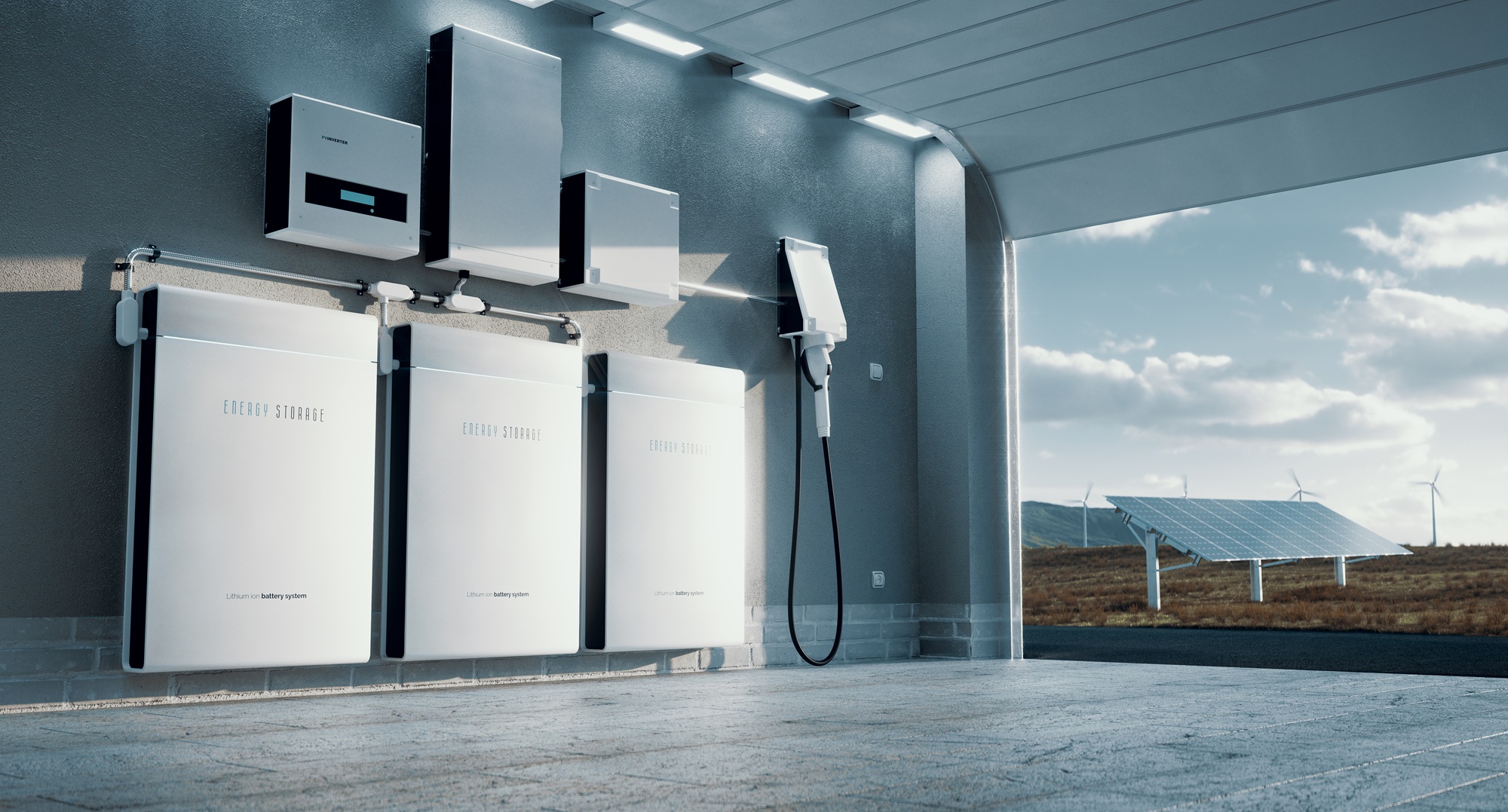
- the close integration of photovoltaics, battery storage, charging infrastructure, software, and grid technologies,
- and the clear trend toward digital, flexible, and interconnected energy systems.
The key takeaway was clear: market success will no longer be determined by individual technologies, but by their integration into high-performance energy systems.
Flexibility Becomes a Key Success Factor
One theme was present throughout virtually every exhibition hall: flexibility.
Whether battery energy storage, intelligent load management, virtual power plants, or bidirectional charging, solutions that enable the control and integration of decentralized energy resources are becoming increasingly important.
The exhibition also demonstrated that many of these technologies have moved beyond the pilot stage. Today, the focus is on scalability, commercial viability, and industrial implementation.
What Does This Mean for Businesses?
Innovation increasingly emerges where industries converge and new B2B partnerships are formed. As a result, companies across the energy and industrial value chain are facing new strategic questions:
- Which technologies will prevail in specific markets?
- Which business models are emerging at the intersection of energy, mobility, and digitalization?
- Which companies will shape tomorrow’s value chain?
For businesses, it has never been more important to monitor technological developments, competitors, and emerging market players at an early stage. Equally important is gathering and evaluating expert insights through comprehensive market research to support informed strategic decisions.
What are your thoughts? Which developments are you currently observing in the energy infrastructure market?
We look forward to discussing these trends with you.
Sebastian Lüttig
+49 6201 9915 67
Sebastian.Luettig@SchlegelundPartner.de
© Schlegel und Partner 2026